Greenland: A Majestic Chronicle of Ice, History, and Culture
1. The Geography of Extremes
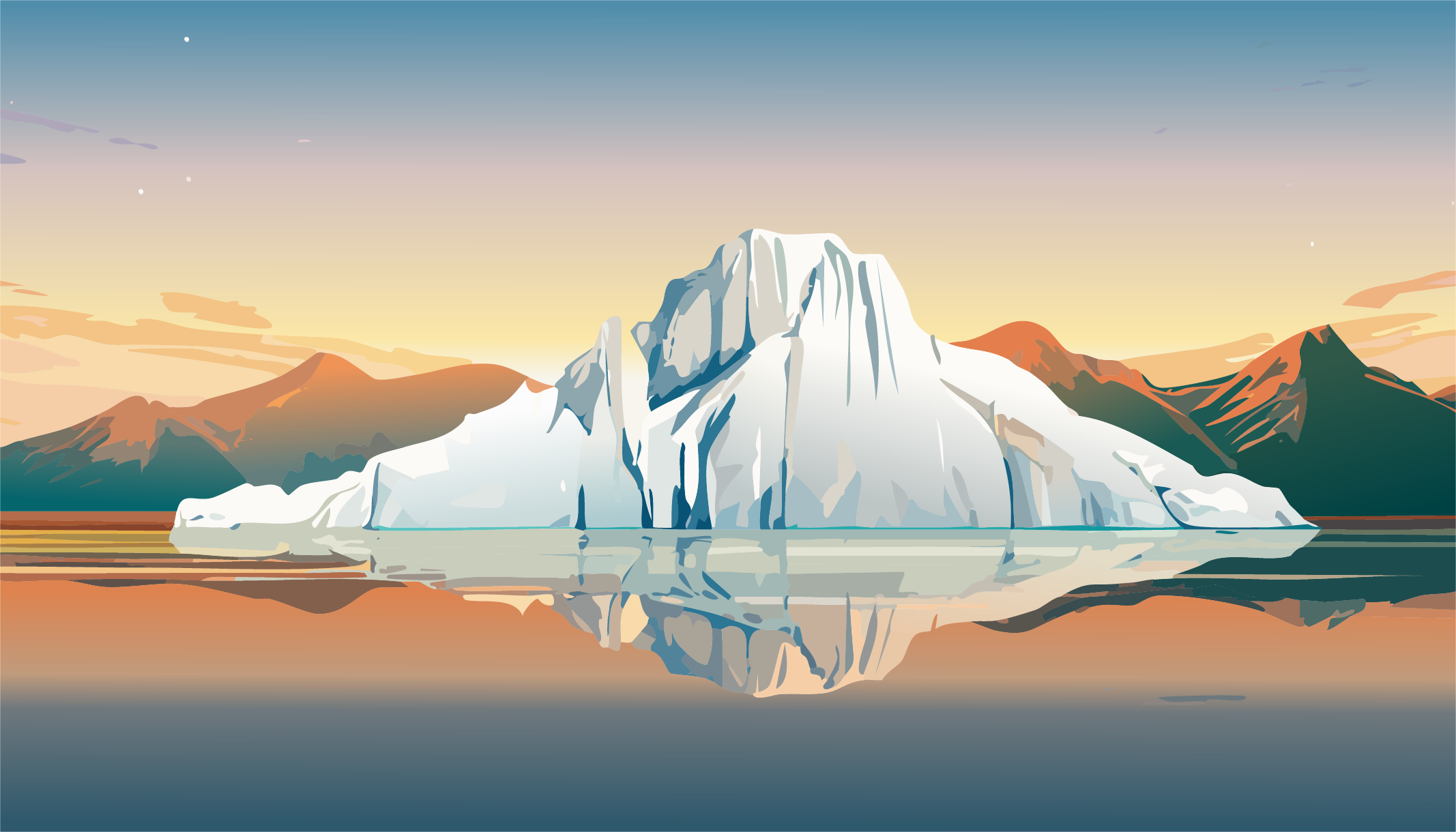
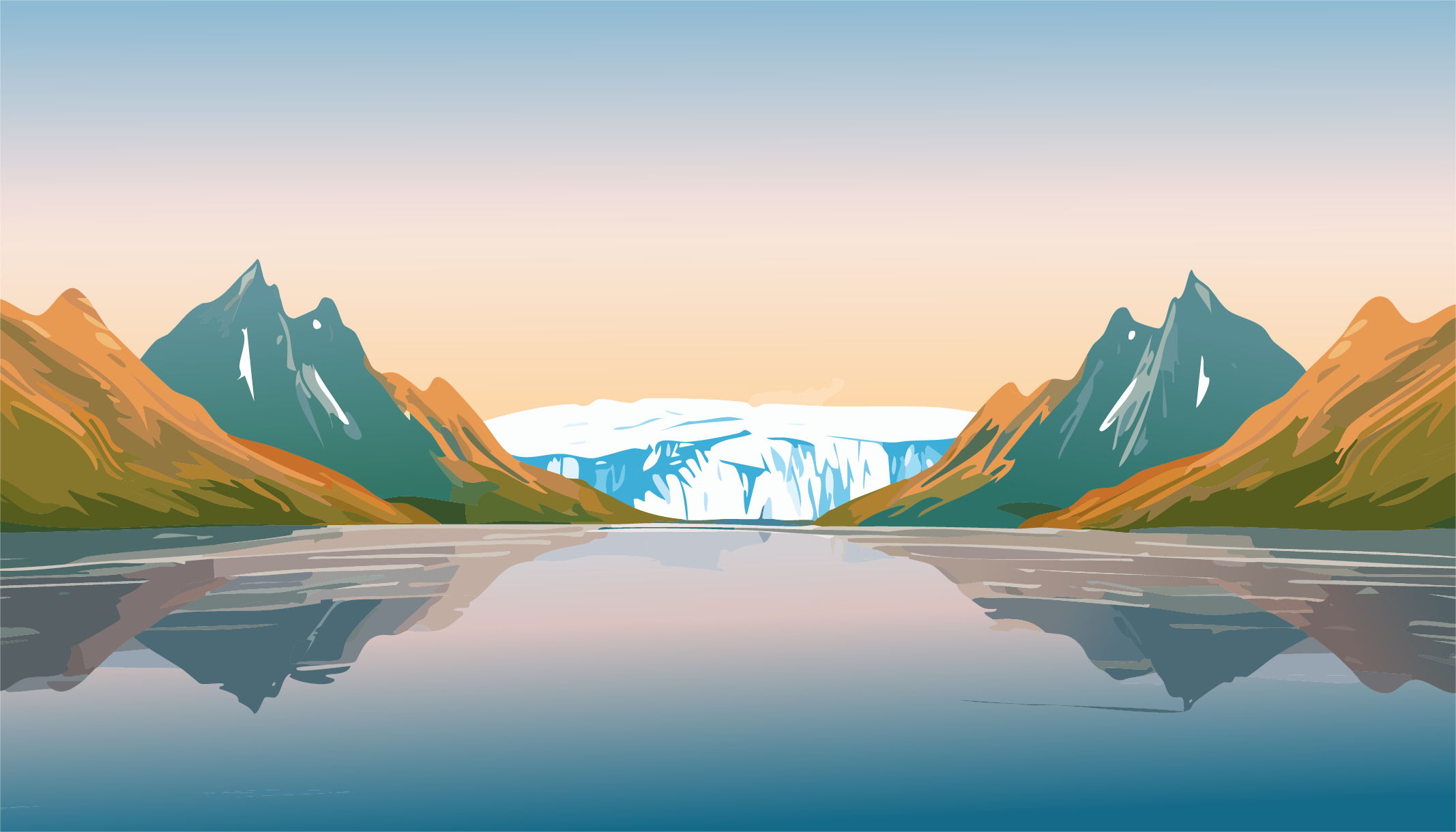
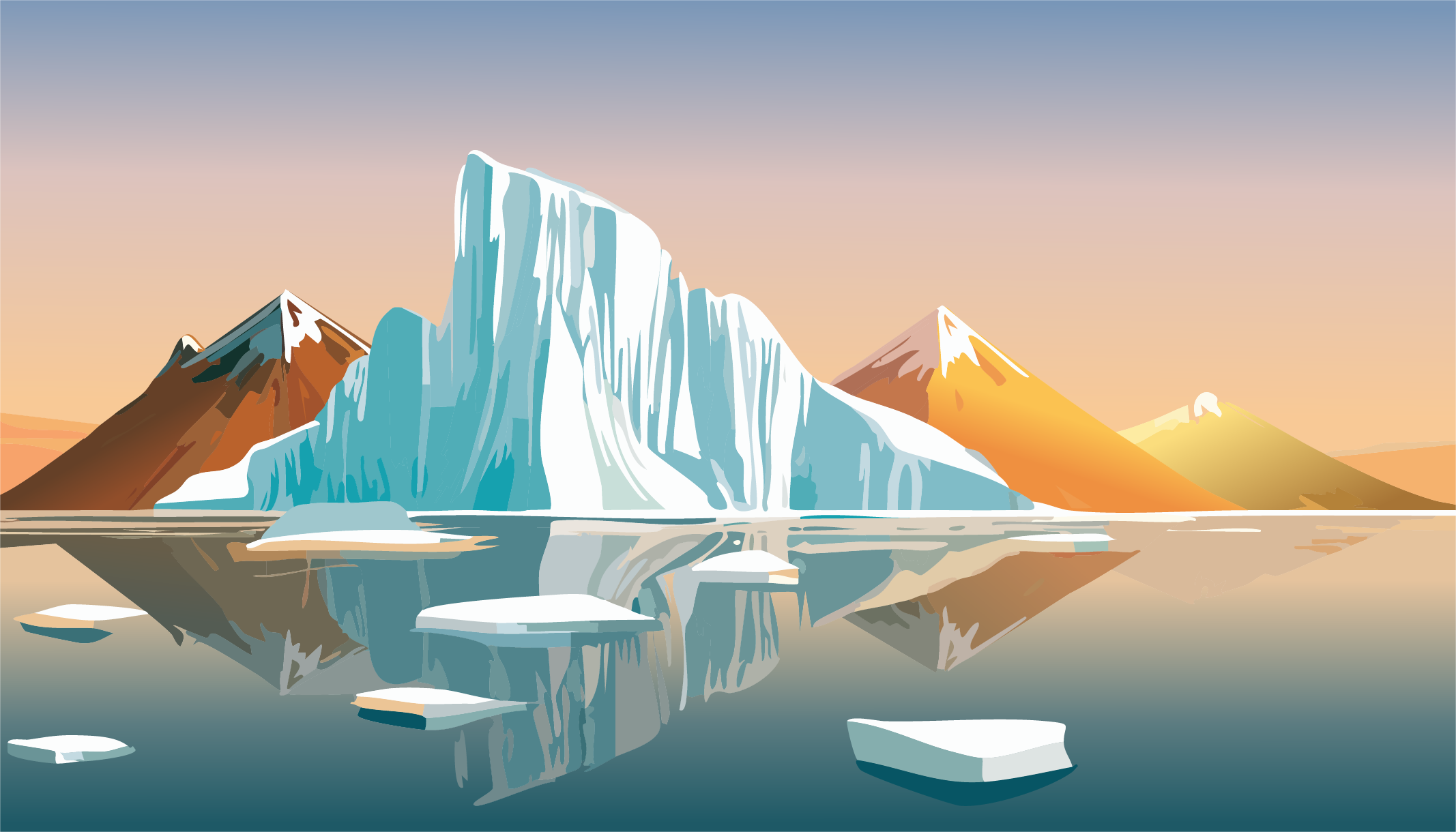
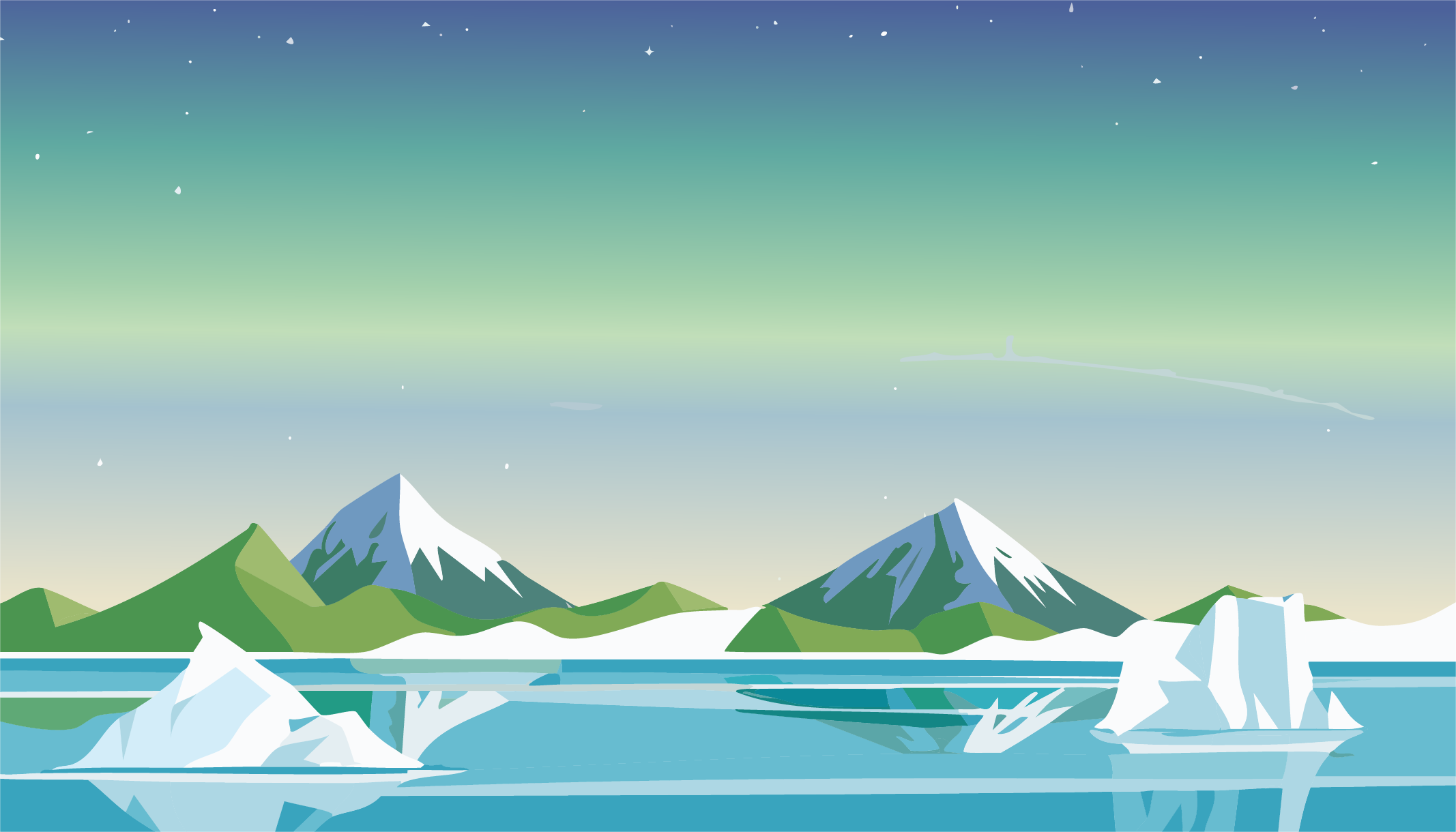
Greenland, the world’s largest island, presents a landscape of unparalleled contrasts. Its ice sheets cover over 80% of the land, while deep fjords and jagged mountains carve the coastlines. The Arctic climate dictates the rhythm of life, shaping flora, fauna, and human adaptation. Seasonal light extremes—from continuous sunlight in summer to months of polar darkness—create an environment where resilience is essential.This geography is not merely physical; it is cultural and symbolic, informing the Greenlandic worldview. Every fjord, glacier, and tundra plateau holds a history of adaptation and survival, encoded in language, art, and ritual.
2. Early Human Settlement
Human habitation in Greenland spans over 4,500 years. The earliest known inhabitants, the Saqqaq culture, were hunter-gatherers who thrived along the western coast. They crafted tools from stone, bone, and ivory, exploiting marine and terrestrial resources with remarkable skill.The Dorset people, who followed, demonstrated artistic sophistication, leaving behind intricate carvings and talismans known as tupilak. Their cultural practices reveal a profound spiritual connection to the Arctic environment, emphasizing the interdependence of humans, animals, and landscape.By the first millennium CE, the Thule people, ancestors of modern Greenlandic Inuit, had developed advanced hunting techniques, including the kayak, dog sled, and communal hunting strategies. Their oral traditions, navigation knowledge, and social organization exemplify the intelligence and adaptability necessary to thrive in extreme environments.
3. Norse Exploration and Settlement
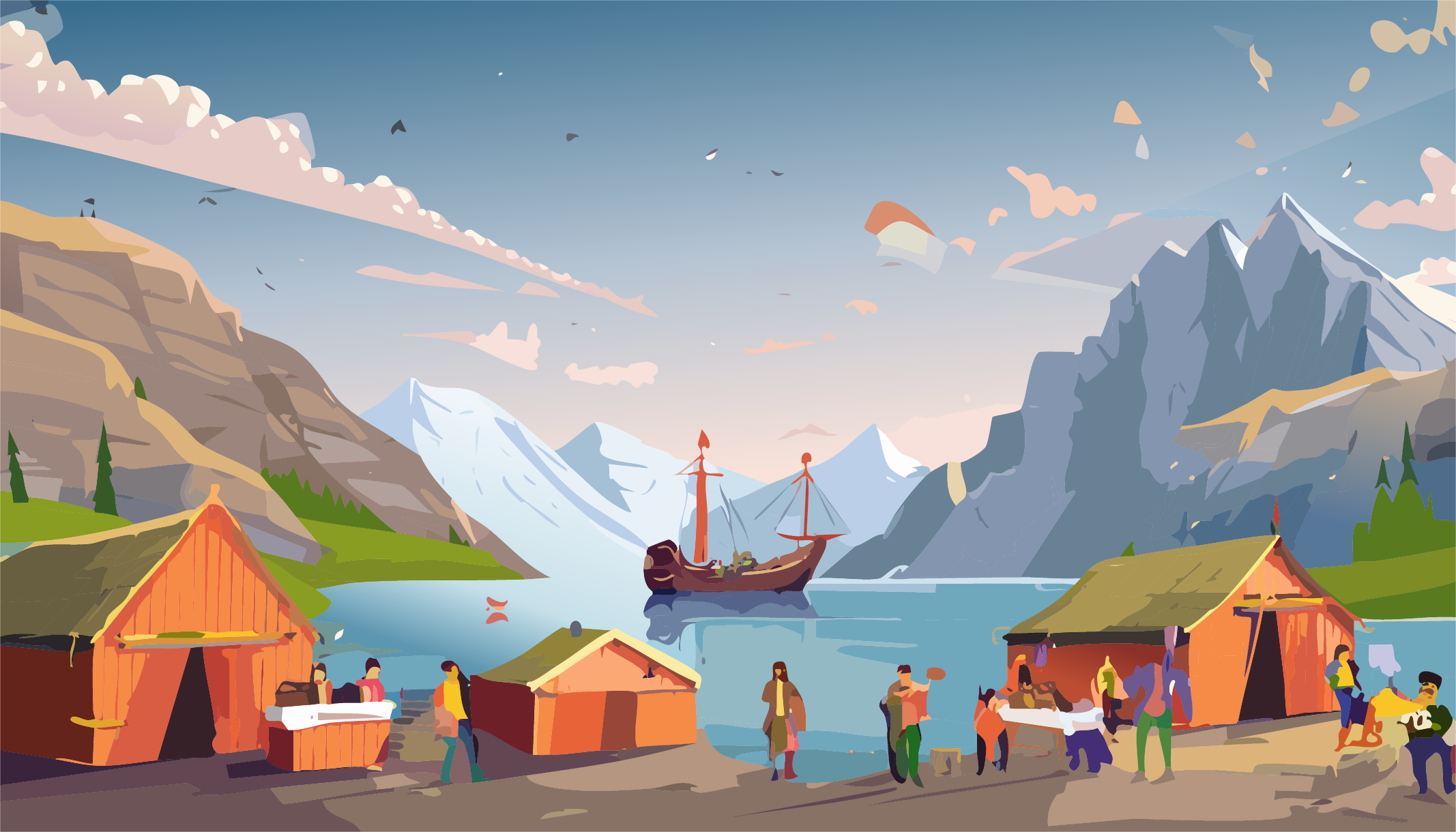
In 982 CE, Norse explorers, led by Erik the Red, established settlements in southern Greenland. They introduced agriculture, livestock, and Christian practices, attempting to transplant European life into a frozen, foreign land.Norse settlements were fragile, dependent on short growing seasons, trade, and climatic stability. The Little Ice Age brought colder winters and crop failures, leading to the eventual disappearance of these communities by the 15th century. Their legacy, however, remains in archaeological ruins and historical memory, representing an early encounter between European colonization and Indigenous Arctic life.
4. Danish Colonization and Cultural Transformation
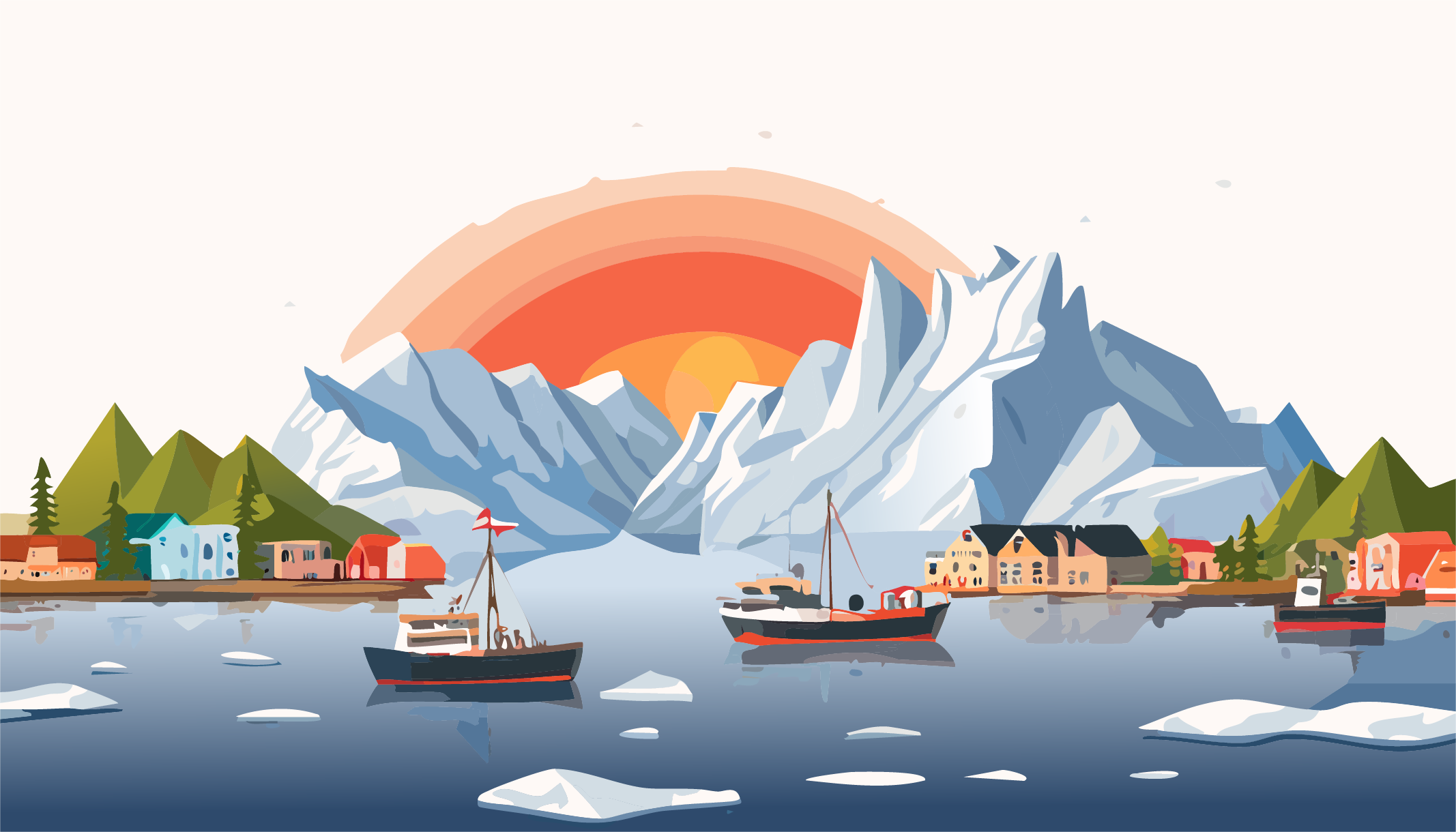
From the 18th century onward, Greenland fell under Danish influence. Missionaries and traders introduced Christianity, literacy, and new governance structures, reshaping social and economic life. Communities integrated European practices, yet traditional Inuit knowledge, language, and hunting techniques persisted, creating a hybrid cultural landscape.This period illustrates the layering of cultures, where Indigenous resilience and European systems coexisted. Greenlanders navigated bureaucracy, commerce, and education, while preserving a profound connection to the Arctic environment and ancestral knowledge.
5. Modern Greenland and Political Autonomy
The 20th century marked Greenland’s transformation from colony to autonomous region. In 1953, Greenland became a Danish county, introducing modern infrastructure and social services. The home rule of 1979 and self-rule in 2009 granted greater political autonomy, empowering Greenlanders to govern domestic affairs and manage natural resources.Despite modernization, traditional practices endure: kayaking, drum dances, hunting rituals, and language preservation continue to define Greenlandic identity. Modern Greenland is a synthesis of past and present, where cultural continuity and political agency coexist within a changing global context.
6. Culture, Art, and Oral Tradition
Greenlandic culture is a living testament to human ingenuity and artistic expression.Language: Kalaallisut conveys environmental knowledge, social norms, and historical memory.Art: Carvings, tupilak, and seal-skin craftsmanship combine functionality and symbolism.Music and oral traditions: Drum dances (katajjaq), chants, and storytelling transmit ancestral wisdom and communal values.Cuisine: Seal, whale, and fish sustain communities and embody cultural continuity.These elements reflect a deep interconnection with the Arctic landscape, where survival, creativity, and identity converge.
7. Environmental and Global Challenges
Today, Greenland faces climate change, globalization, and economic development pressures. Accelerated ice melting threatens ecosystems, traditional hunting routes, and settlement patterns. Mineral extraction and tourism provide opportunity, yet demand careful management to maintain sustainability and cultural integrity.Greenlanders continue to assert the importance of language, heritage, and environmental stewardship, ensuring that identity and tradition endure in a rapidly changing world.

8. Greenland: A Living Archive
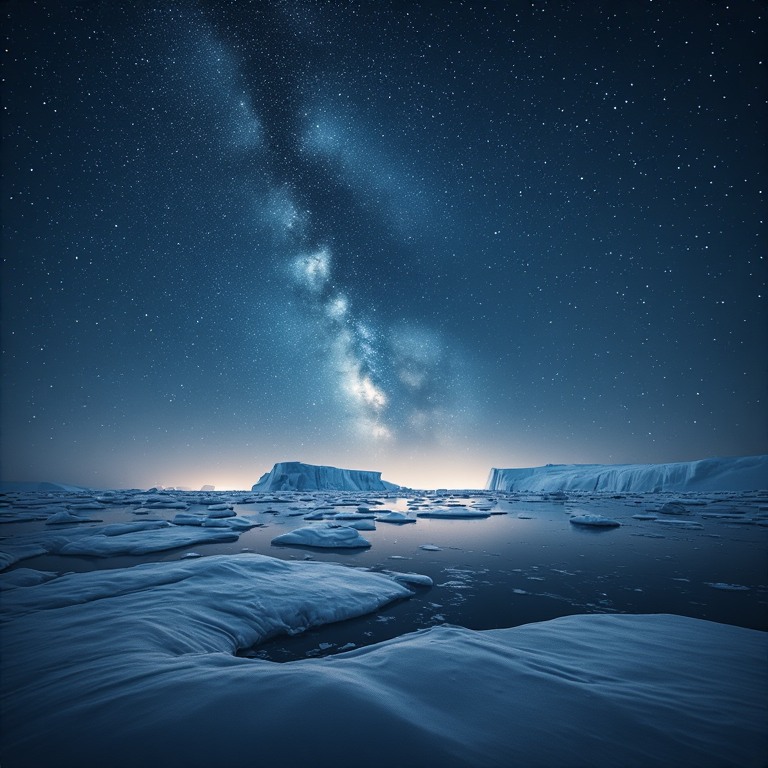
Greenland is not merely an island of ice; it is a chronicle of human resilience. Its history—prehistoric hunters, Norse settlers, Danish colonization, and modern autonomy—is embedded in the land itself. The ice, fjords, and mountains carry stories of adaptation, survival, and creativity.This island exemplifies the dynamic interplay between environment and culture, a place where memory, identity, and human ingenuity converge. Greenland is a living archive, a testament to the endurance of both land and people, a narrative still unfolding under the northern sky.
Groenland Jewelry
Elegant and timeless jewelry inspired by the beauty of the far North.
Follow us
Instagram | Facebook | TikTok
© 2026 Groenland Jewelry – All rights reserved