Greenland Ice Sheet and Climate Change: Ecological Challenges of the Arctic
Greenland, the world’s largest island, is home to a vast and ancient ice sheet that has shaped the Arctic for millennia. Today, this frozen landscape is at the forefront of climate change, with melting ice threatening both local ecosystems and global stability. The retreat of Greenland’s glaciers is accelerating, releasing billions of tons of freshwater into the oceans and contributing to global sea-level rise, a phenomenon with far-reaching consequences for communities worldwide.
The melting glaciers are reshaping the island’s ecosystems. Coastal ice streams slide faster into the ocean, while inland ice thins under rising temperatures. The influx of freshwater alters ocean currents and impacts weather patterns far beyond Greenland, influencing rainfall, storms, and monsoon cycles across the globe. Meanwhile, exposed tundra and fjords experience rapid ecological shifts. Polar bears, Arctic foxes, seals, and migratory birds face shrinking habitats, and invasive species are moving northward, disrupting fragile food webs. Thawing permafrost releases carbon dioxide and methane, creating a feedback loop that amplifies global warming.
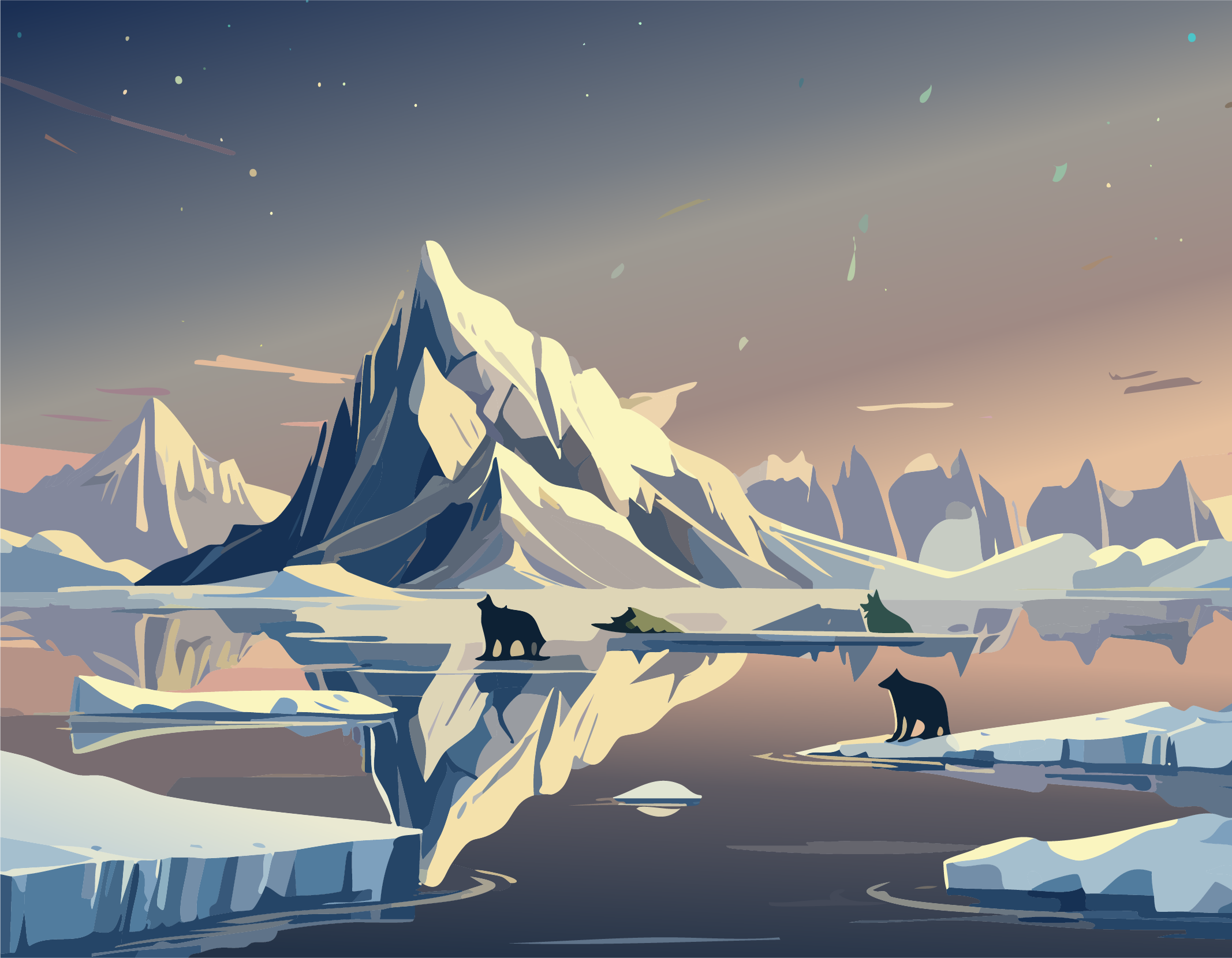
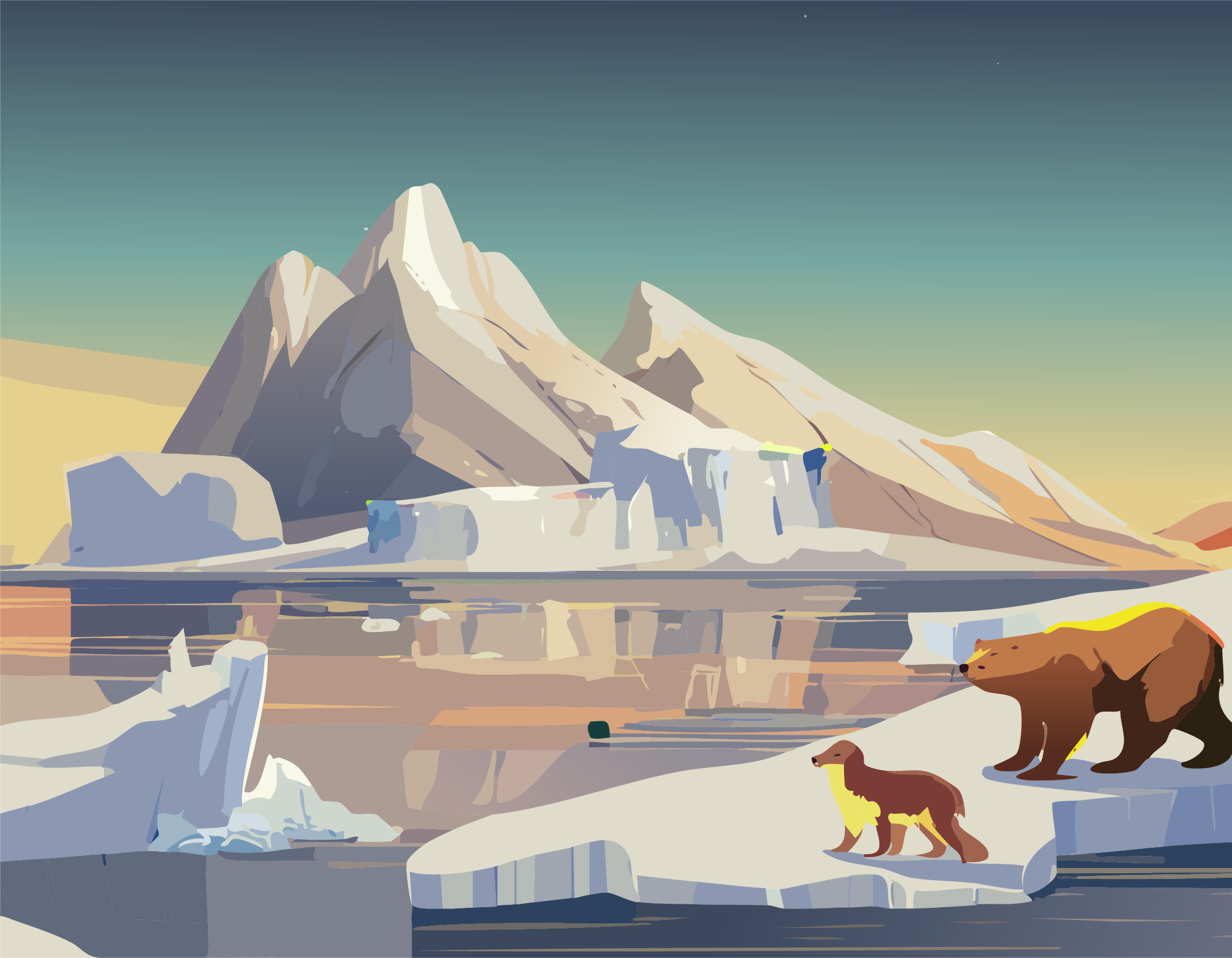
Human communities, especially the indigenous Greenlandic Inuit, are directly affected. Traditional hunting and fishing practices depend on stable ice and seasonal patterns, but thinning ice and unpredictable conditions compromise both mobility and food security. The retreat of ice also opens Greenland to mining, oil exploration, and shipping, bringing economic opportunity but additional ecological pressures including habitat disruption, pollution, and further emissions.
The global consequences of Greenland’s transformation are profound. Rising sea levels threaten millions of people living in coastal regions, while changes in ocean circulation could destabilize weather systems worldwide. The diminishing albedo effect, as ice retreats and darker land and water surfaces absorb more heat, accelerates warming even further. Greenland’s environmental fate is not isolated—it is a keystone of global climate stability.
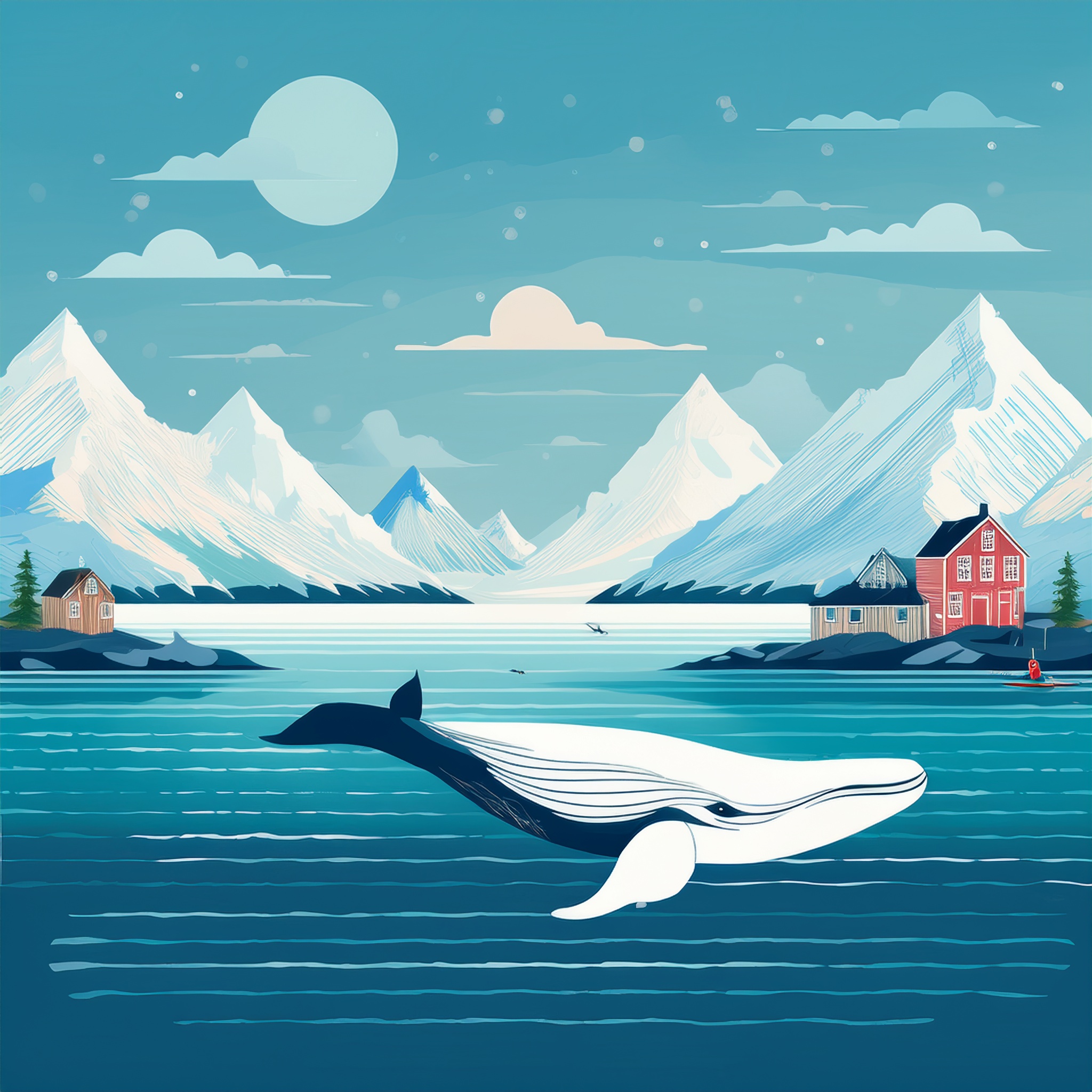
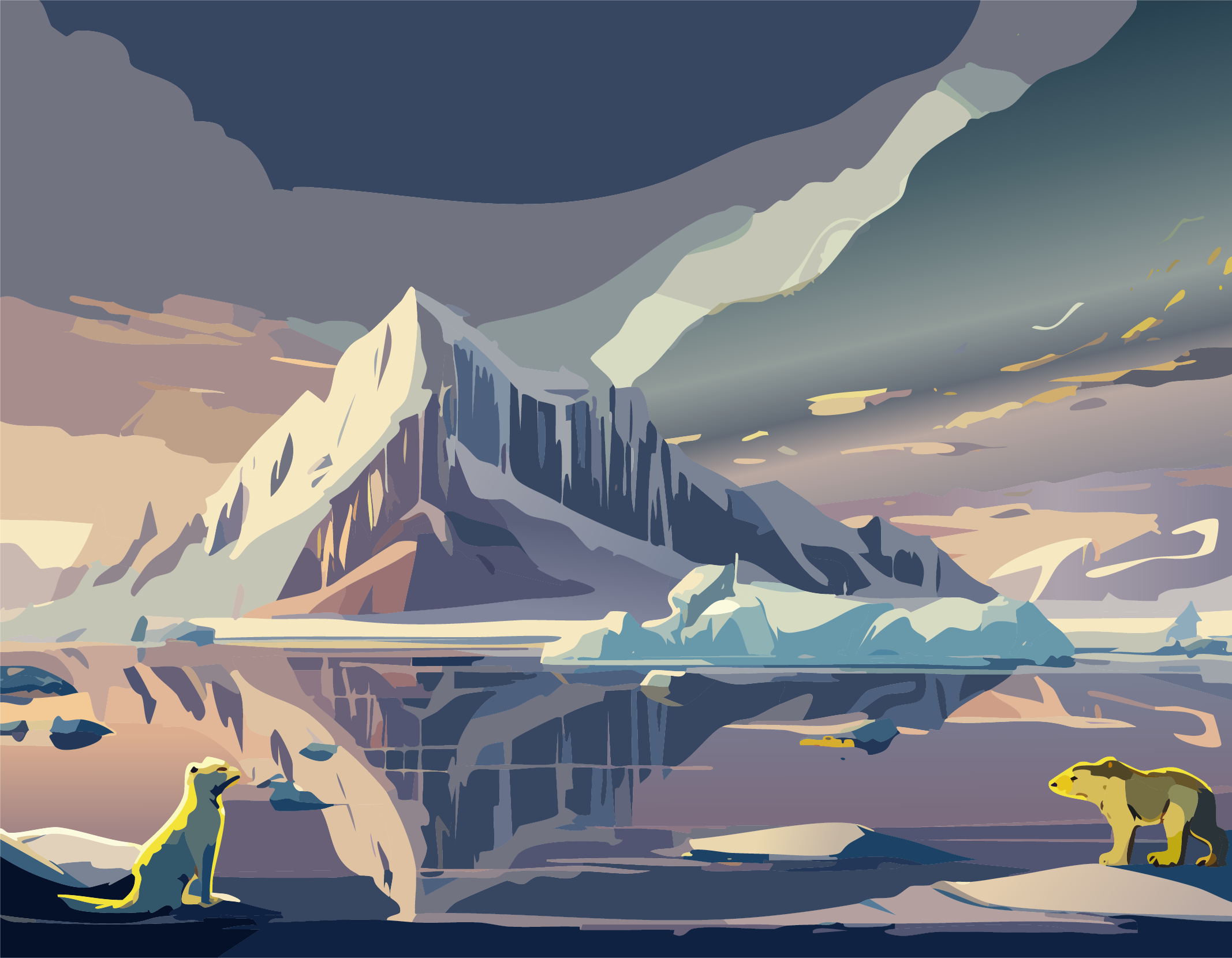
Yet Greenland also represents hope. Through sustainable initiatives—renewable energy projects, wildlife conservation, and community-led monitoring—scientists and local populations work to protect the island’s unique ecosystems. Preserving Greenland’s ice, wildlife, and landscapes is an act of global responsibility. Every fraction of a degree in temperature matters, as does every effort to reduce greenhouse gas emissions, if we are to maintain the ecological and climatic balance tied to this Arctic sanctuary.
Greenland is both a jewel and a warning: its melting glaciers, changing ecosystems, and thawing permafrost reflect the consequences of our actions. Protecting the Arctic is not merely a regional concern; it is a vital step toward ensuring the resilience of Earth’s climate system and the survival of countless species—including humanity itself.