Greenland: Geography, Culture, and the Challenges of a Changing Arctic
Greenland, the world’s largest island, stretches over two million square kilometers, a landscape sculpted by centuries of ice and wind. Its glaciers, towering icebergs, and deep fjords create a dramatic panorama, while phenomena such as the aurora borealis and the ceaseless movement of ice captivate scientists and travelers alike. At its heart lies the vast Greenland Ice Sheet, a frozen reservoir whose melting is accelerating due to climate change, with profound implications for ecosystems, local communities, and global sea-level rise.
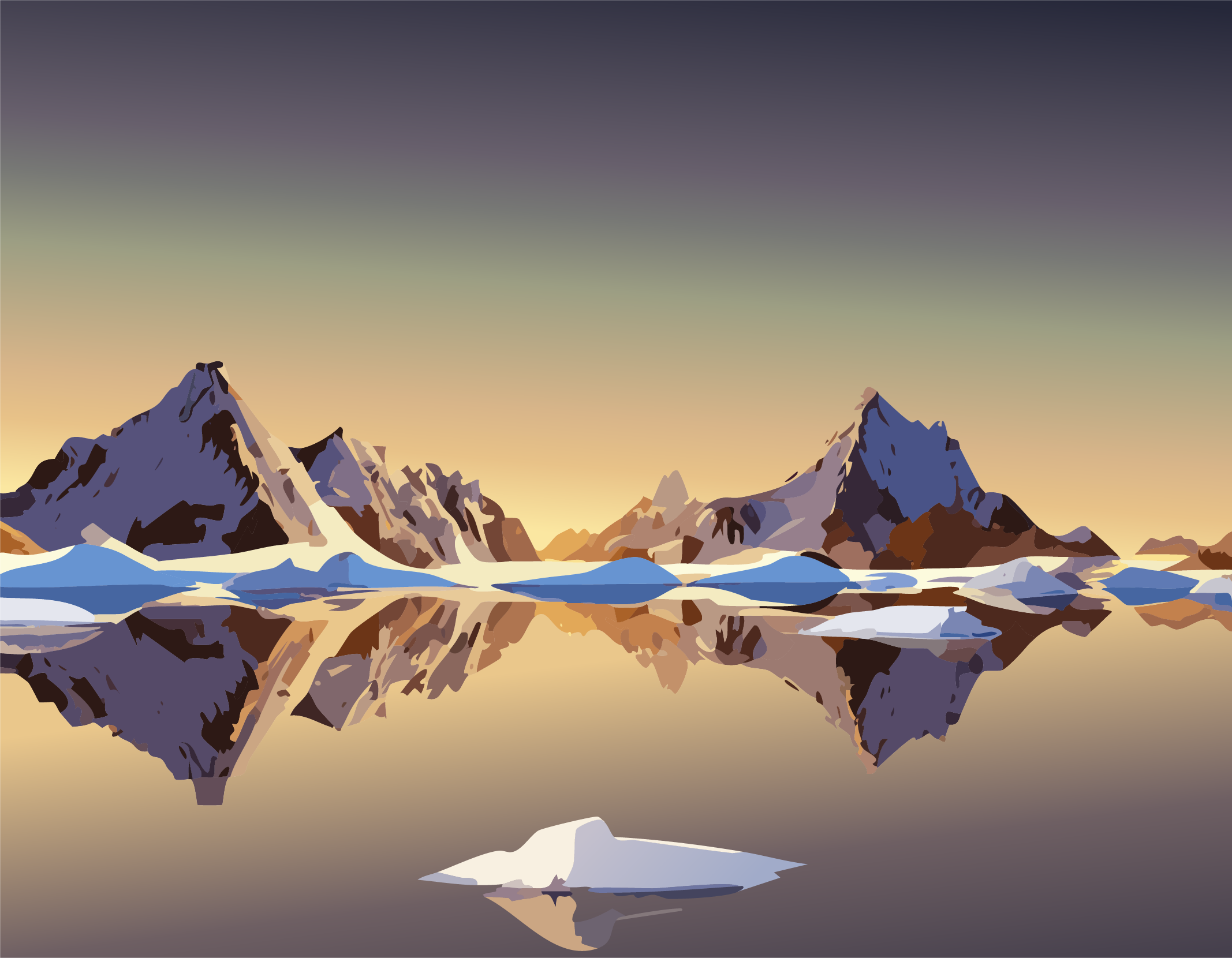
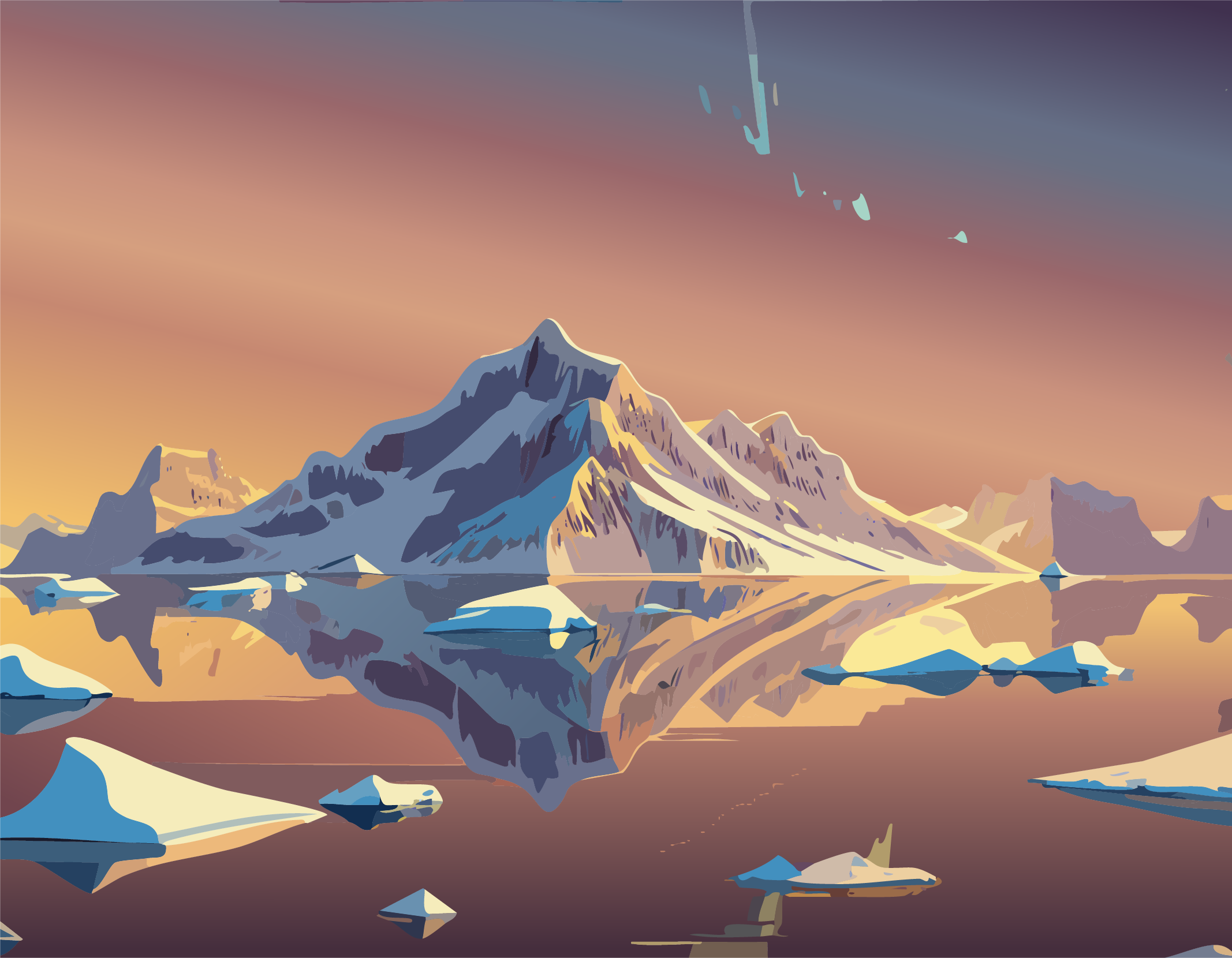
The island’s geography is both stunning and fragile. Coastal regions are carved by fjords and dotted with icebergs calved from retreating glaciers. The movement of these glaciers is more than visual spectacle: it is a visible marker of environmental transformation, as the retreating ice contributes to changing ocean currents and global climate dynamics. The rapid warming of Greenland has been documented at rates nearly double the global average, affecting the Arctic environment, permafrost, and wildlife that depend on stable ice and cold habitats.
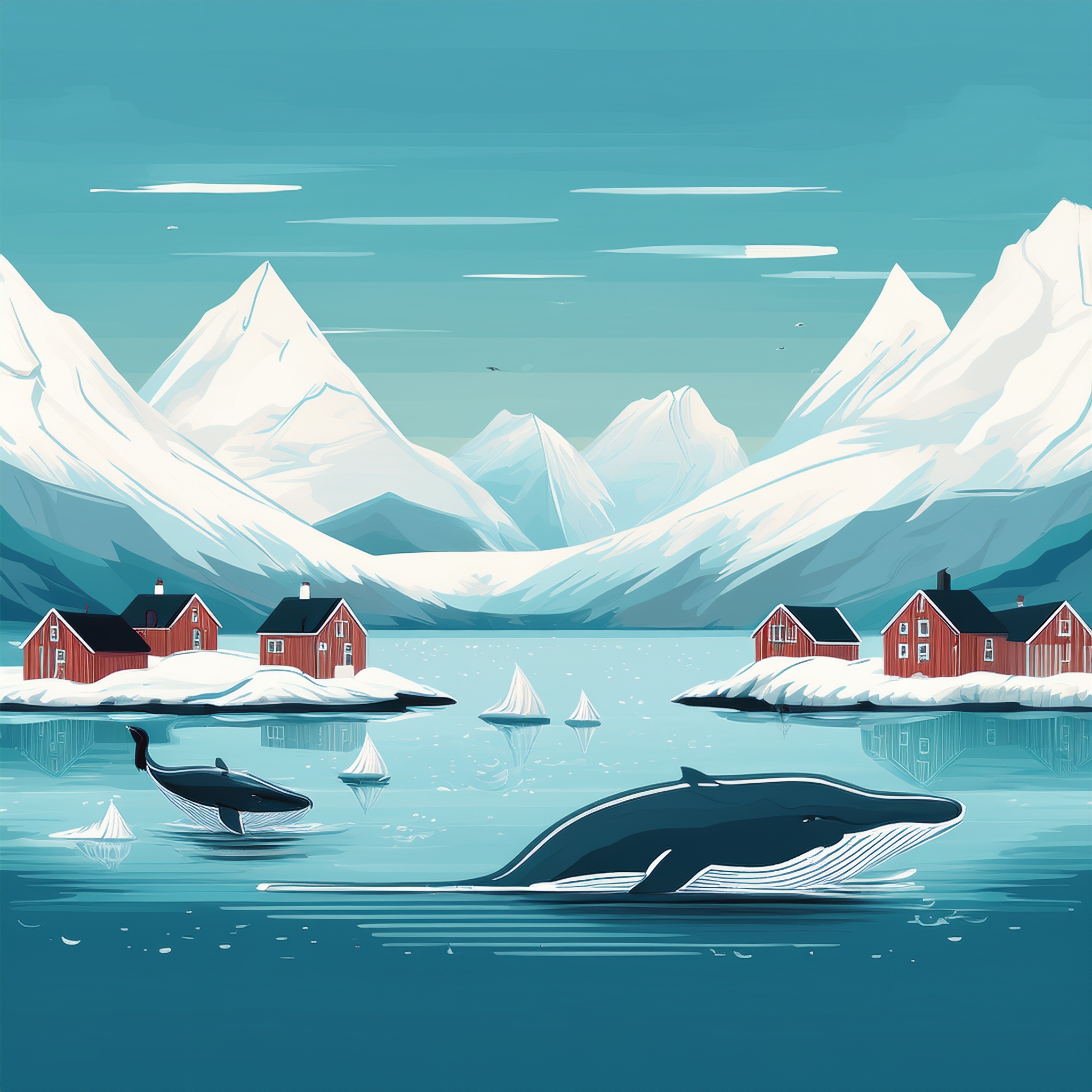
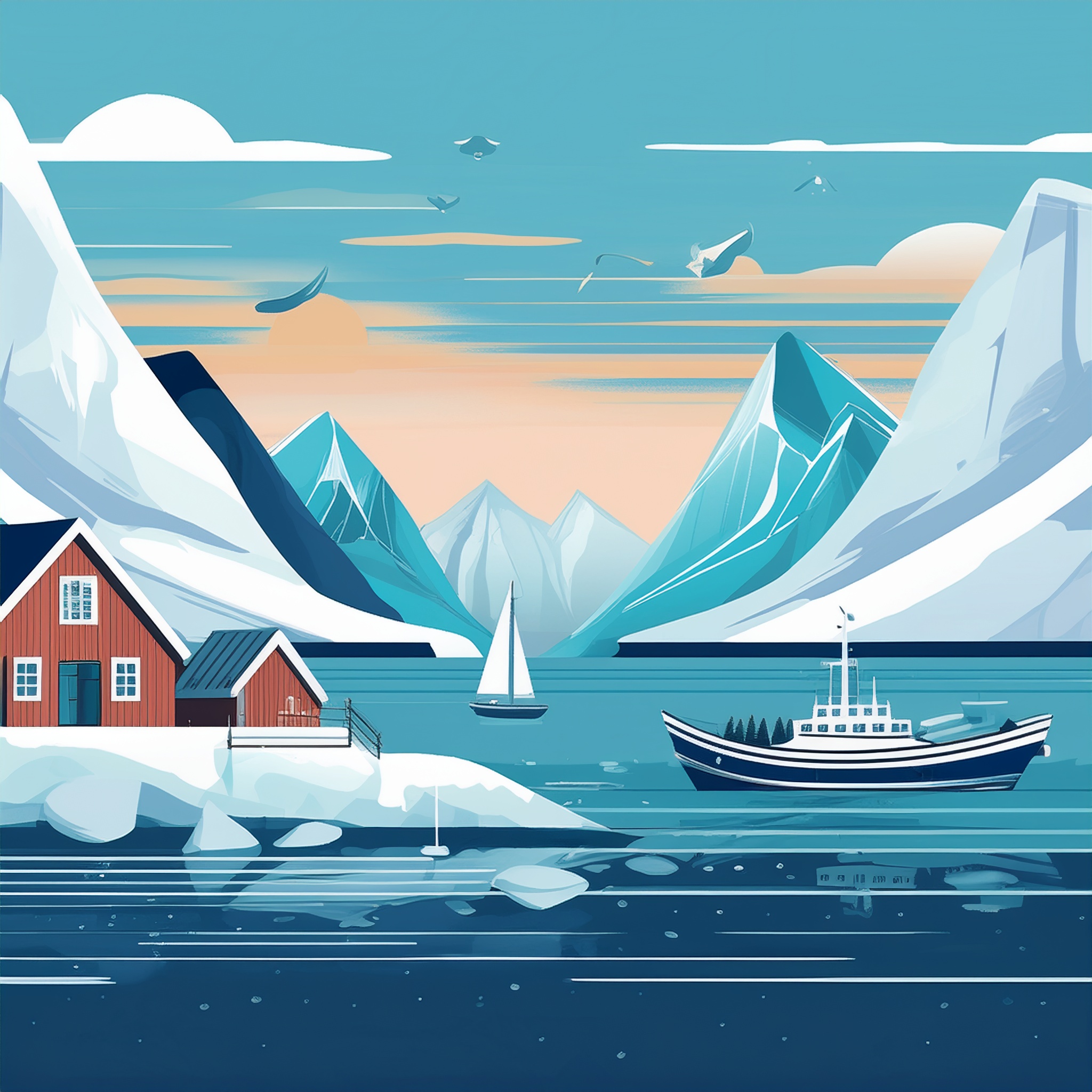
Yet Greenland is not only a land of ice. Its history is rich, tracing back to the arrival of Vikings in the 10th century, who established settlements along the southwestern coast. Today, the Inuit people continue to inhabit the island, preserving traditions of hunting, fishing, and artisan craftsmanship. The Greenlandic language, alongside Danish, carries centuries of cultural knowledge, reflecting a deep connection to the land, the ice, and the rhythms of nature. This cultural heritage persists even as communities adapt to modern challenges, balancing tradition with economic and environmental pressures.
Politically, Greenland is an autonomous territory within the Kingdom of Denmark, yet debates over sovereignty and independence remain active. Its strategic location in the Arctic, coupled with vast untapped natural resources—including rare earth minerals, zinc, and lithium—attracts the attention of global powers. The island’s governance must navigate tensions between promoting economic development and protecting fragile ecosystems, a balancing act intensified by the effects of climate change on both livelihoods and international interest.
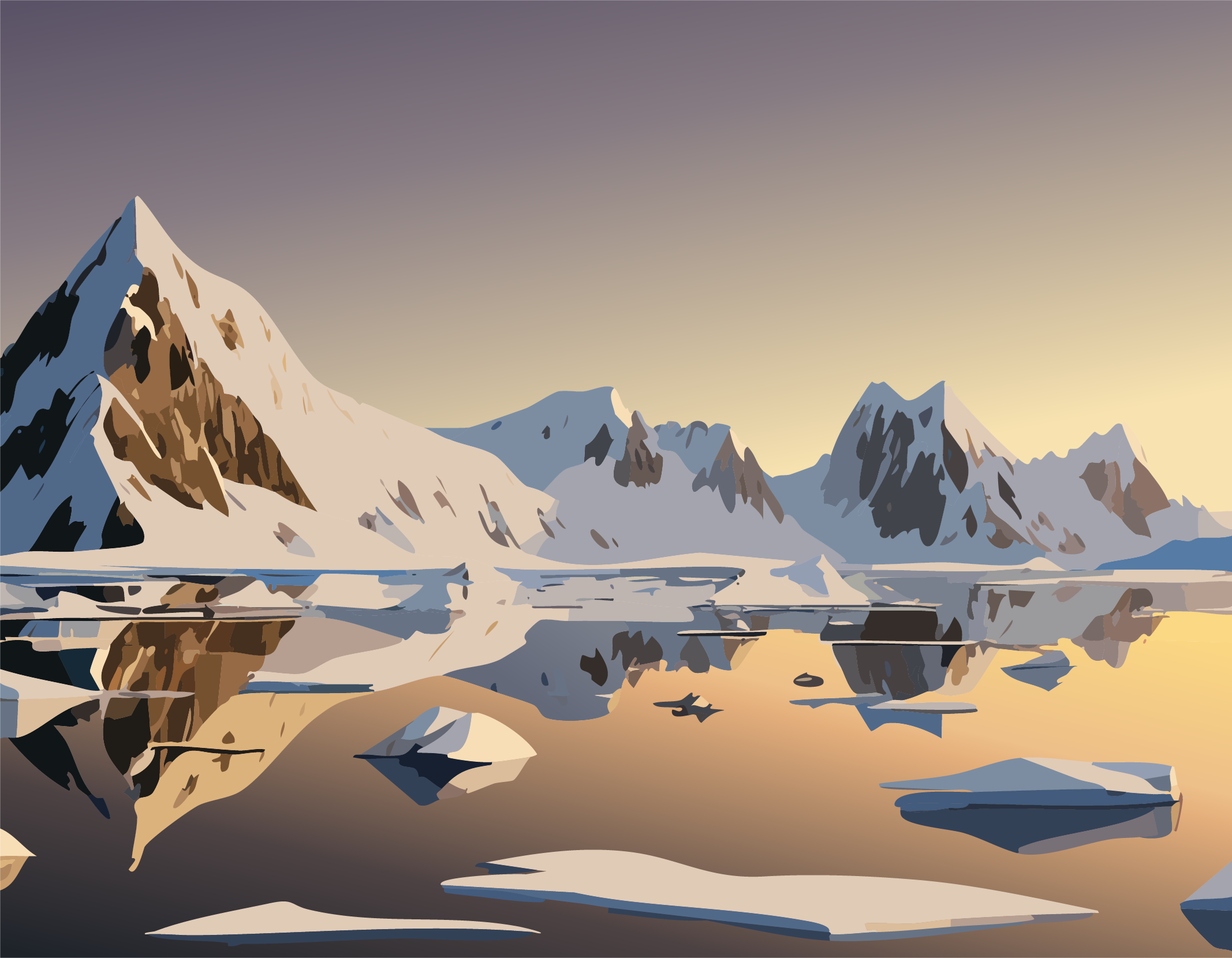
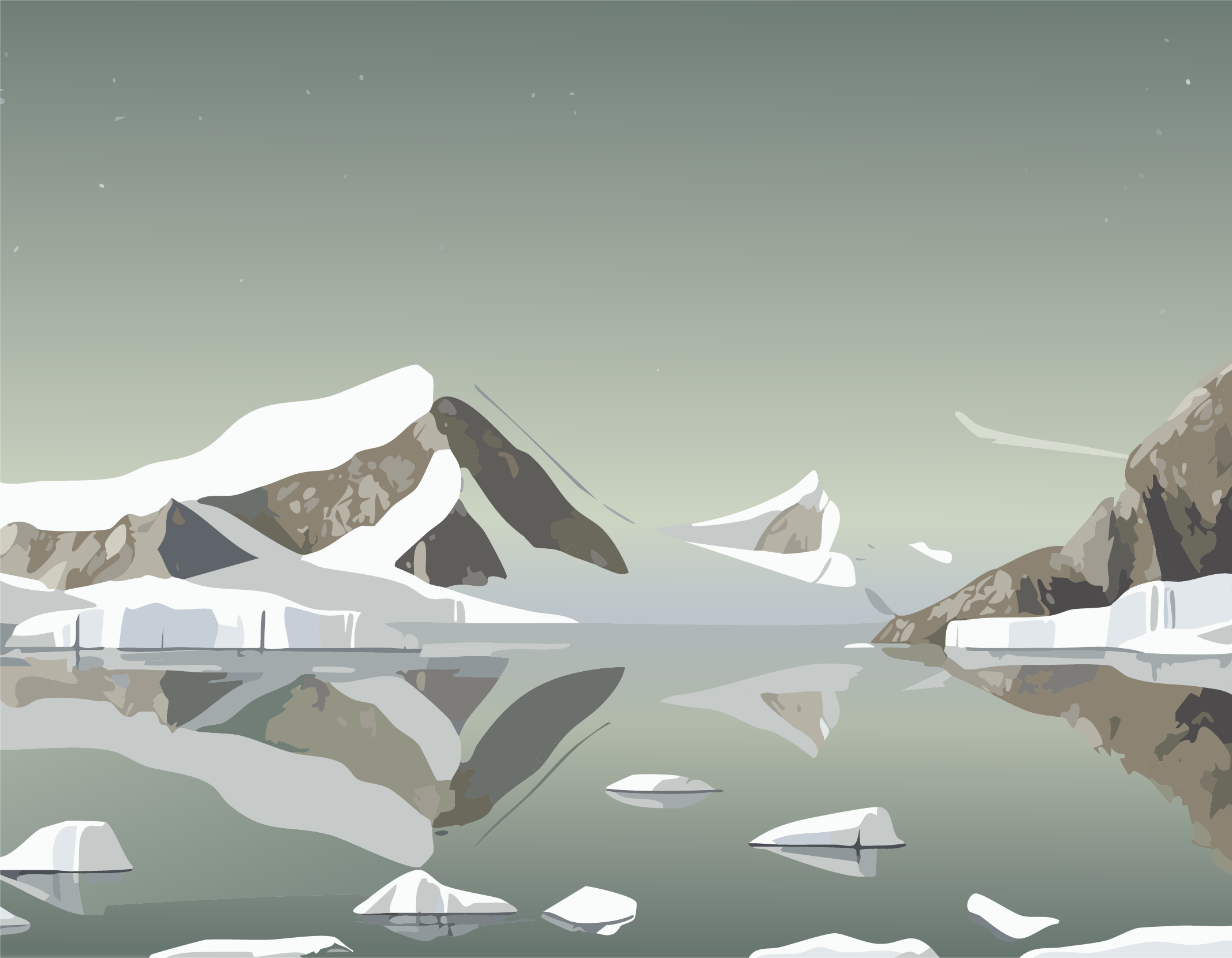
Greenland’s economy reflects this duality. Traditional subsistence practices such as fishing continue to sustain communities, while tourism grows, fueled by fascination with glaciers, wildlife, and Arctic landscapes. Expeditions, cruise tourism, and ecotourism initiatives bring revenue, yet they require careful management to avoid environmental degradation. The development of mining and infrastructure projects promises economic opportunities but introduces new environmental pressures, from habitat disruption to carbon emissions, highlighting the tension between prosperity and sustainability.
Scientific research in Greenland is critical to understanding both local and global impacts of environmental change. Studies of glaciers, ice sheet dynamics, and subglacial topography provide insights into future sea-level rise and climate patterns. Observations of Arctic fauna reveal how species such as polar bears, seals, and migratory birds are affected by retreating ice, while permafrost thaw contributes to greenhouse gas release. Greenland is not only a site of observation but also a laboratory where the interactions of ice, climate, and human activity can be studied in real time.
Greenland’s challenges are intertwined. The melting ice sheet affects global ocean circulation, which in turn impacts weather, agriculture, and human settlements far beyond the Arctic. Cultural adaptation is as critical as environmental mitigation: communities must preserve heritage while engaging with modern economies and global politics. The island’s history, resources, and ecosystems converge in a delicate equilibrium, where every policy, every scientific study, and every sustainable initiative matters.
In essence, Greenland is a microcosm of the Arctic itself: a land of immense beauty and profound vulnerability. Its geography, history, and culture are inseparable from its environmental and political realities. As climate change accelerates, Greenland’s ice, wildlife, and human communities serve as both a warning and a guide, reminding the world that protecting this fragile region is not only an Arctic concern but a global imperative. The island’s future depends on the balance between economic development, cultural preservation, and ecological stewardship, a delicate task that will shape the fate of the Arctic and the planet itself.